
50 Plus Peer Support Group
We have developed a focused peer support group for self-identifying woman survivors of sexual violence, whether that be recent or historic.
We know that people over 50 have been less likely to access our services. After speaking with women aged 50 and over, many told us they would value a group specifically for their age group, as well as opportunities to better understand trauma and how it may affect them.
In response, we’ve created the 50 Plus Peer Support Group to make it easier for women aged 50 and over to access supportive, survivor-centred spaces. The group offers an opportunity for survivors to support one another, build understanding of their trauma responses, and explore healthy ways of coping.
Understanding how our bodies and minds respond to fear can help make sense of difficult experiences and feelings. We aim to offer a welcoming, trauma-sensitive space where this understanding can grow at a gentle and supportive pace.
Who is the group for?toggle accordion content
Survivors of sexual violence, abuse or harassment (recent or historic) who are aged 50 plus and identify as a woman (this includes trans women).
When does the group run?toggle accordion content
Fridays 11.00-13.00 in an accessible Brighton location.
What is the process for attending?toggle accordion content
If you’d like to attend, you’ll first have a supportive conversation with our Welcome Team. This is part of our referral process and gives you the chance to talk through what support might feel right for you and ask any questions you may have.
Once you’ve met with the Welcome Team and shared an interest in the group, you’ll receive a weekly email where you can sign up for the session(s) you’d like to attend, at your own pace.
How many people will be there?toggle accordion content
We have a limit of 10 people who can sign up for each group. There is sometimes less than this. There will also be a facilitator and one of our trained volunteers.
How often can I attend?toggle accordion content
You can attend as often as for as long as you wish to. Some people attend just a few times whilst others come every week for many months.
How do I sign up? toggle accordion content
You will have to complete a referral form and speak with a member of our Welcome Team in order to attend this group.
Please fill out here –dpmscloud.com/external/referralformselfsurvivorsnetwork.
Do I need to book?toggle accordion content
Yes. You will be sent a link to book a place via Eventbrite once you have met with our Welcome Team.
If you can’t use Eventbrite you will be able to text the facilitator to book a place.
What is the structure of the group? toggle accordion content
During the first part of the session, we’ll share some information about trauma responses and explore supportive ways of coping. Survivors are welcome to share how they’re feeling and, if they wish, talk about the impact of their experiences of sexual violence. There is no pressure to speak — listening is always okay.
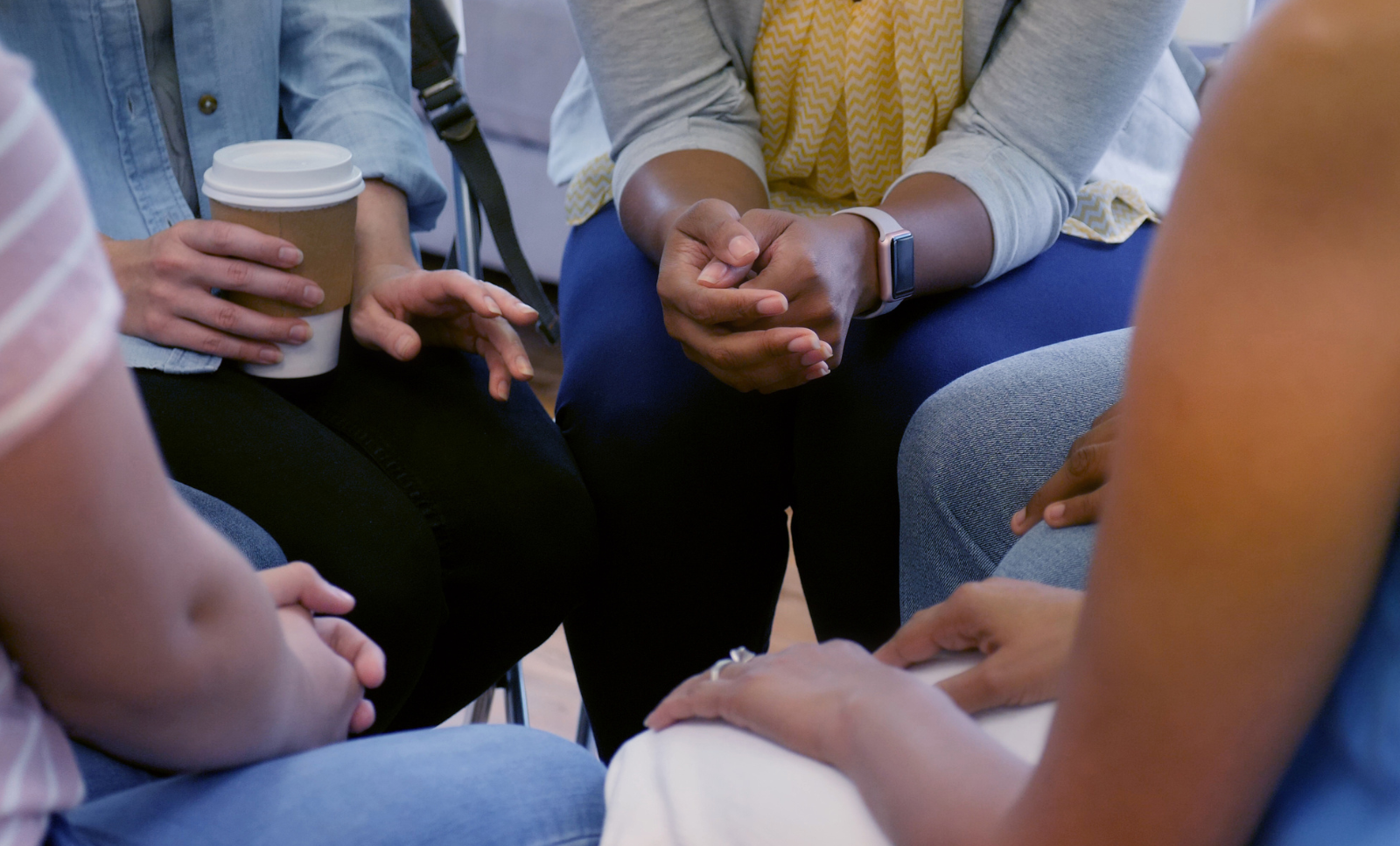
Group members may offer encouragement and share coping strategies, with the facilitator and volunteers helping to hold the space in a safe and supportive way. The final 45 minutes are more relaxed, offering time to chat, connect, and enjoy a coffee together.
Peer Support Group Agreement
1. Confidentiality
Everything said in group is confidential*. This will only change if the group facilitator or volunteers believes that a participant or someone else is at risk.
2. Discussion
We ask participants to understand that it is not appropriate to talk about the details of any abuse, but it is fine to discuss the impact the abuse may have had and how they are feeling.
3. I statements
We encourage the use of ‘I’ rather than ‘You’ when supporting each other.
4. Appropriate behaviour
We ask for considerate behaviour and compassionate and inclusive language towards all group members.
5. Alcohol and Other Drugs
If the facilitator believes that a participant is under the influence of alcohol or other drugs, they will be asked politely and discreetly to leave the group.
6. Exclusive relationships
Please be mindful that exclusive relationships between or among group members can make other group members feel left out.
7. Self Care
Remember to take care of yourself. If you need to, take a break, and ask the facilitator or volunteers for support.
9. Being together safely
We ask all participants agree to abide by social distancing rules and Covid 19 guidelines.